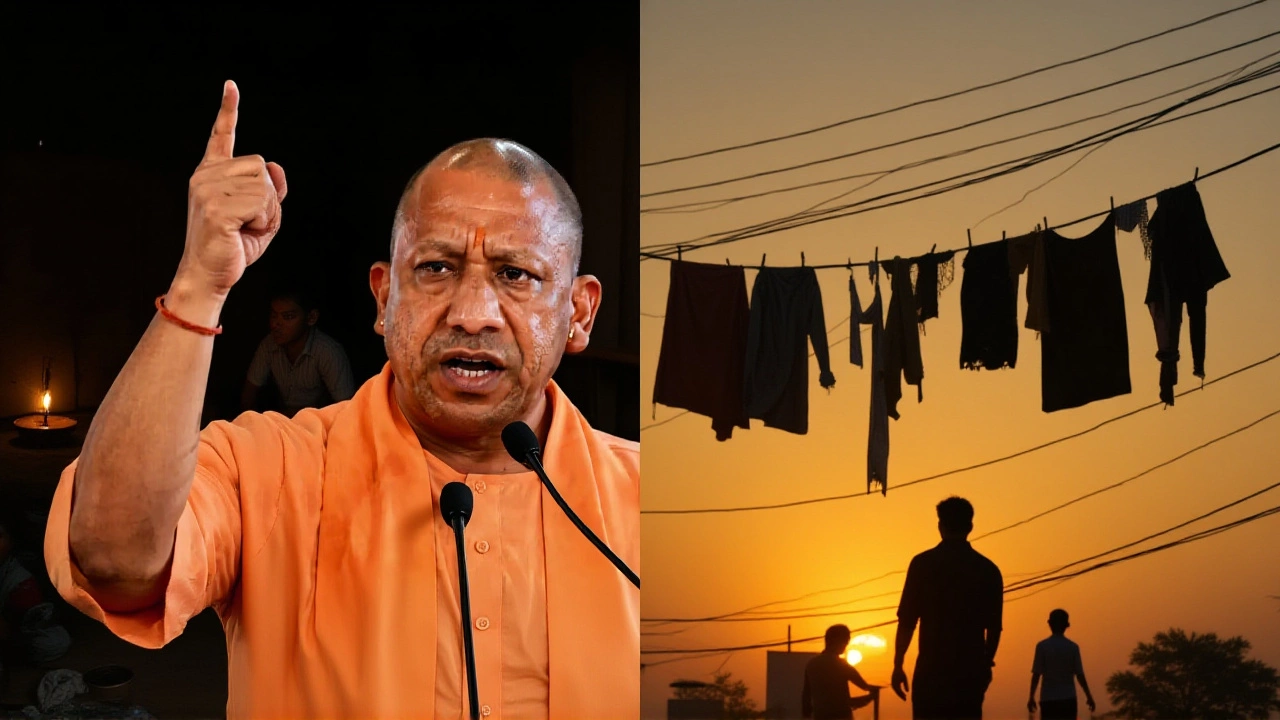
When Yogi Adityanath, Chief Minister of Uttar Pradesh, recently took aim at his political rivals, he didn’t use complex policy jargon. He used a vivid, almost cinematic image: people drying their clothes on electric wires. It’s a stark contrast to the current reality in India’s most populous state, where power outages have become a hot-button issue.
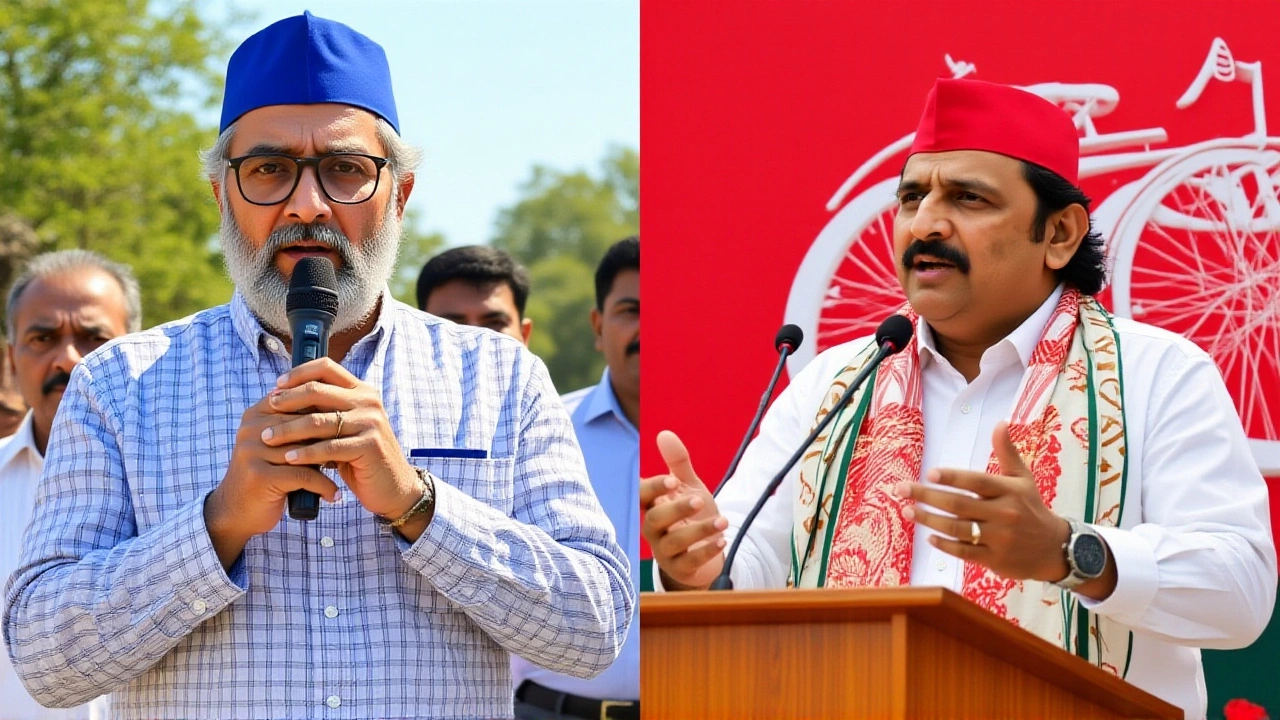
The comment wasn’t made in a vacuum. It was directed squarely at Akhilesh Yadav, leader of the Samajwadi Party (SP), who has been vocal about the recent electricity shortages affecting millions of residents. By invoking this memory, Yogi is attempting to reframe the narrative from "current failure" to "historical progress."
The Political Context Behind the Remark
Here’s the thing: Uttar Pradesh has been grappling with significant power load shedding over the past few weeks. With temperatures soaring and industrial demand peaking, many households have experienced intermittent blackouts. This has provided ample ammunition for opposition parties, particularly the SP and the Indian National Congress, to criticize the ruling Bharatiya Janata Party (BJP) government.
But wait—Yogi’s counter-attack relies on nostalgia. The claim that citizens previously had to resort to unconventional methods like using live wires as clotheslines suggests a time when infrastructure was so poor that basic amenities were compromised. While the specific anecdote may be rhetorical exaggeration, it points to a broader truth: the state’s power grid has undergone massive expansion since the BJP returned to power in 2017.
During the previous SP-led administration (2012–2017), Uttar Pradesh faced chronic power deficits. Reports from that era frequently cited inadequate generation capacity and high transmission losses. The current government has invested heavily in renewable energy projects and grid modernization, aiming to provide 24x7 power—a goal they claim to have largely achieved until recent supply constraints hit.
Why This Matters Right Now
This isn’t just political posturing; it’s about voter perception. In a state with nearly 200 million voters, reliability is key. If people remember a time when power was virtually non-existent, even brief outages today might seem manageable by comparison. However, if the expectation is set at "constant supply," any interruption feels like a betrayal.
The twist is that both sides are leveraging emotion. Akhilesh Yadav highlights the immediate pain of dark homes and stalled businesses. Yogi Adityanath highlights the long-term journey from darkness to light. Neither side offers an easy technical fix for the current shortage, which stems from a combination of low reservoir levels affecting hydroelectric power and increased consumption due to heatwaves.
Expert Analysis: Infrastructure vs. Expectation
Energy experts note that while Uttar Pradesh has added gigawatts of capacity, the distribution network remains vulnerable to extreme weather events. "The infrastructure has improved dramatically," says one anonymous energy consultant based in Lucknow. "But climate change is introducing variables that weren’t part of the original planning models. Low rainfall means less hydro power, and higher temperatures mean more AC usage. It’s a perfect storm."
Interestingly, similar debates played out in neighboring states like Bihar and West Bengal during their respective transitions. When new governments inherit crumbling infrastructure, the first five years are often marked by rapid improvement followed by plateauing growth. Critics argue that the current administration has reached that plateau, while supporters insist the foundation is stronger than ever.
What’s Next for Uttar Pradesh?
Looking ahead, the state government has announced emergency measures to boost power generation, including importing coal and maximizing solar output during daylight hours. There are also talks of incentivizing industries to shift peak loads to off-peak times. But these are stopgaps, not solutions.
For voters, the next election cycle will likely hinge on whether they prioritize recent hardships or historical progress. Will they forgive the current glitches because things were worse before? Or will they demand accountability for every minute of darkness? That’s the real question hanging over the state right now.
Background: The Power Struggle
To understand the weight of Yogi’s comment, you need to look back. Before 2017, Uttar Pradesh was often ranked among the bottom states in per-capita power consumption. The Samajwadi Party’s tenure was marred by allegations of corruption in the power sector and underinvestment in generation assets. When the BJP took over, they launched aggressive campaigns to electrify villages and connect households.
Today, over 95% of households in UP have electricity connections—a huge leap from the single-digit percentages reported in remote areas a decade ago. Yet, access doesn’t always equal reliability. The current crisis exposes the gap between having a connection and having consistent voltage. It’s a nuanced distinction that politicians rarely explain, preferring instead to trade barbs about who did better or worse.
Frequently Asked Questions
Why is there a power crisis in Uttar Pradesh right now?
The current shortage is primarily due to a combination of factors: lower-than-average rainfall reducing hydroelectric power generation, increased demand from air conditioning during heatwaves, and delays in coal supplies to thermal plants. While the state has expanded its grid, these external pressures have strained the system beyond its usual capacity.
Is Yogi Adityanath’s claim about drying clothes on wires true?
While likely exaggerated for rhetorical effect, the statement reflects the severe power deficits experienced in rural Uttar Pradesh during the early 2010s. Many households lacked reliable connections, forcing residents to find creative, albeit dangerous, ways to manage daily chores. It serves as a symbolic reference to past infrastructural neglect rather than a literal universal practice.
How does this affect ordinary citizens?
Residents face inconvenience through interrupted work, spoiled food, and discomfort during extreme heat. Small businesses suffer lost revenue, and students struggle with study routines. For many, the uncertainty of when power will return creates anxiety and disrupts daily life significantly, especially in urban centers where reliance on electronics is high.
What steps is the government taking to resolve the issue?
The state government has implemented load-shedding schedules to prioritize essential services, imported additional coal for thermal plants, and maximized solar power generation during daytime hours. They are also encouraging industrial consumers to shift operations to nighttime to balance the grid load. Long-term plans include expanding renewable energy sources and upgrading transmission lines.