
When Thalapathy Vijay, the newly elected Chief Minister of Tamil Nadu, steps into politics, his filmography is under a microscope. One title stands out for all the wrong reasons: Puli. Released in 2015, this fantasy epic is widely regarded as his biggest commercial misfire—a project that cost up to ₹130 crore but failed to ignite the box office.
Here’s the thing about high-budget films: they promise spectacle but demand perfection. Puli had the stars, the scale, and the ambition. It just didn’t have the magic trick needed to turn investment into profit. Now, with Vijay’s political ascent, critics are revisiting this chapter where money met mediocrity.
The Ambition Behind the Beast
Directed by Chimbhu Devan, Puli was positioned as a pan-Indian contender. The strategy? Release simultaneously in Tamil, Telugu, and Hindi. It was an attempt to mimic the massive success of Baahubali, which had redefined Indian cinema’s reach just months prior.
The budget tells the story of its ambition. Estimates range from ₹87 crore to a staggering ₹130 crore. For context, that made it one of the most expensive Tamil films ever made at the time. The production values were sky-high—dense jungles, towering mountains, and a magical empire split between humans and the demonic Vedhalam race. It was meant to be India’s answer to global fantasy blockbusters.
But wait. High budget doesn’t guarantee high returns. In fact, it often raises the bar so high that missing it looks like a fall rather than a stumble.
Sridevi’s Final Firebrand
If there was one saving grace in the visual department, it was Sridevi. The late superstar played Rani Yavanarani, the main villain. This wasn’t your typical glamorous lead role. She was adorned in heavy jewelry, royal attire, and dramatic makeup that sparked immediate debate.
Some critics called the look “overdone.” Others praised her commanding screen presence. Oddly enough, even in a film that struggled, Sridevi’s performance remained a talking point. Her character represented the dark side of the fantasy world, clashing with Vijay’s dual roles of Marudhiyan and Pulivendan. It was a career shift for her—moving away from romantic leads to a powerful, negative antagonist.
The twist is that while the film flopped, Sridevi’s legacy in it remains intact. She brought gravity to a script that often felt weightless.

Box Office Reality Check
Let’s talk numbers. Puli collected approximately ₹100–101 crore worldwide. Sounds impressive? Not when you subtract the ₹130 crore cost. The film barely broke even on production alone, ignoring marketing and distribution costs. Investors saw red. Critics labeled it a “mega-flop.”
This wasn’t just a miss; it was a financial lesson. While Vijay’s other films routinely crossed the ₹200-crore mark, Puli lingered in the danger zone. It proved that star power alone couldn’t save a flawed narrative or excessive spending.
Interestingly, Vijay’s fee for the film was ₹25 crore. Despite the flop, producer Thanu later signed him for ₹45 crore for subsequent projects. His market value doubled anyway. That’s the paradox of superstardom—even failures don’t always hurt the bank account.
Why It Matters Today
As Vijay transitions from actor to politician, Puli serves as a case study in risk management. It shows what happens when ambition outpaces execution. The film’s fantasy elements—magic, demons, and ancient empires—felt disconnected from the emotional core audiences expect from Vijay’s mass entertainers.
Experts note that while Baahubali succeeded because of its storytelling discipline, Puli relied too heavily on VFX and scale. The result? A visually loud but narratively quiet experience.
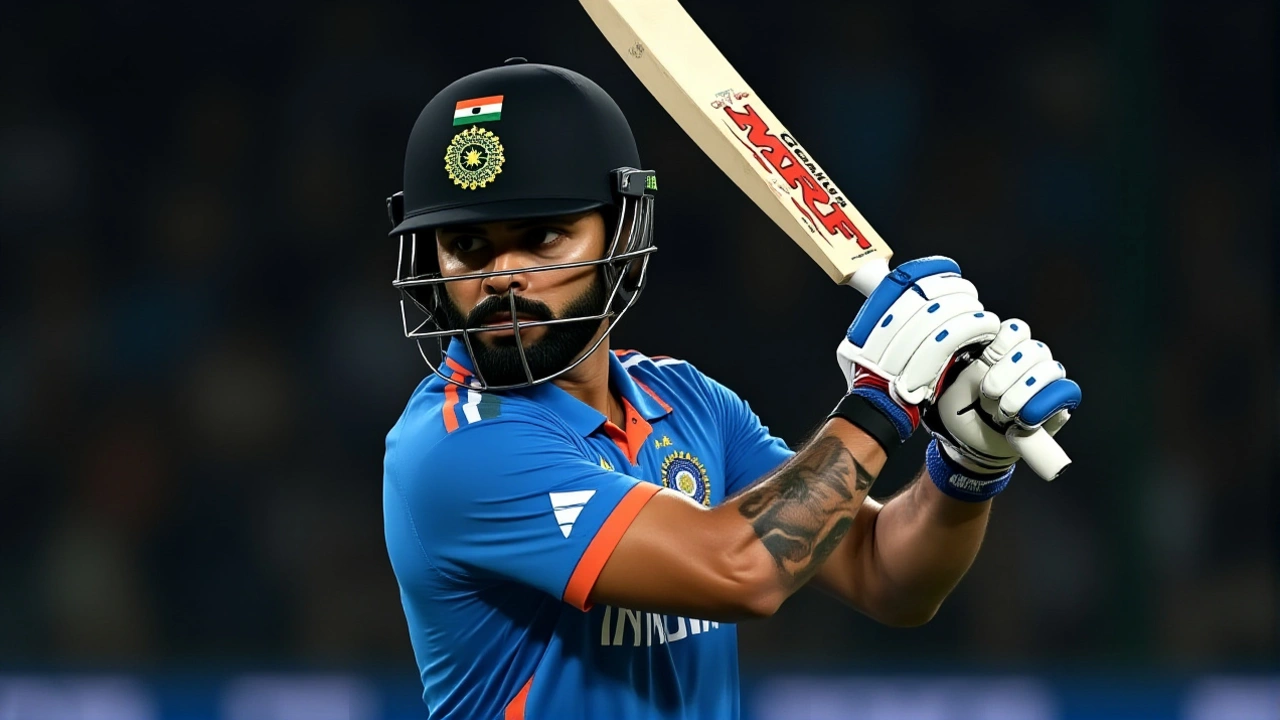
What’s Next for Vijay’s Legacy?
Vijay’s career isn’t defined by one flop. He has five films that broke records, cementing his status as a box office titan. But Puli reminds us that even giants trip. As he enters public service, fans will likely revisit his entire body of work—including the hits, the misses, and everything in between.
The details of how he’ll balance governance with his cinematic legacy remain unclear. But one thing is certain: his impact on Indian culture extends far beyond the silver screen.
Frequently Asked Questions
Why did Puli fail at the box office?
Puli failed primarily due to its exorbitant budget (₹130 crore) versus modest collections (₹100-101 crore). Critics cited weak storytelling, over-reliance on VFX, and a lack of emotional connection compared to Vijay’s usual mass appeal. The film also faced stiff competition from Baahubali, which set higher audience expectations for fantasy epics.
Who played the villain in Puli?
The late superstar Sridevi played the main villain, Rani Yavanarani. Her character was a powerful queen from the demonic Vedhalam race. Despite mixed reactions to her heavy makeup and costume design, her performance was noted for its intensity and marked a significant departure from her typical romantic roles.
How much did Thalapathy Vijay earn for Puli?
Vijay earned a fee of ₹25 crore for starring in Puli. Interestingly, despite the film’s commercial failure, his market value increased. Producer Thanu subsequently signed him for ₹45 crore for future projects, demonstrating that his star power remained strong regardless of individual film performances.
Was Puli more expensive than Baahubali?
While exact figures vary, Puli’s reported budget of ₹130 crore placed it among the most expensive Tamil films of its time. Baahubali Part 1 had a similar budget range, but Puli failed to achieve the same cultural phenomenon or return on investment, largely due to differences in narrative execution and audience reception.
What languages was Puli released in?
Puli was released simultaneously in three languages: Tamil, Telugu, and Hindi. This multi-language release strategy was designed to capture a pan-Indian audience, mirroring the successful model used by Baahubali. However, the film did not gain significant traction outside its primary Tamil-speaking demographic.